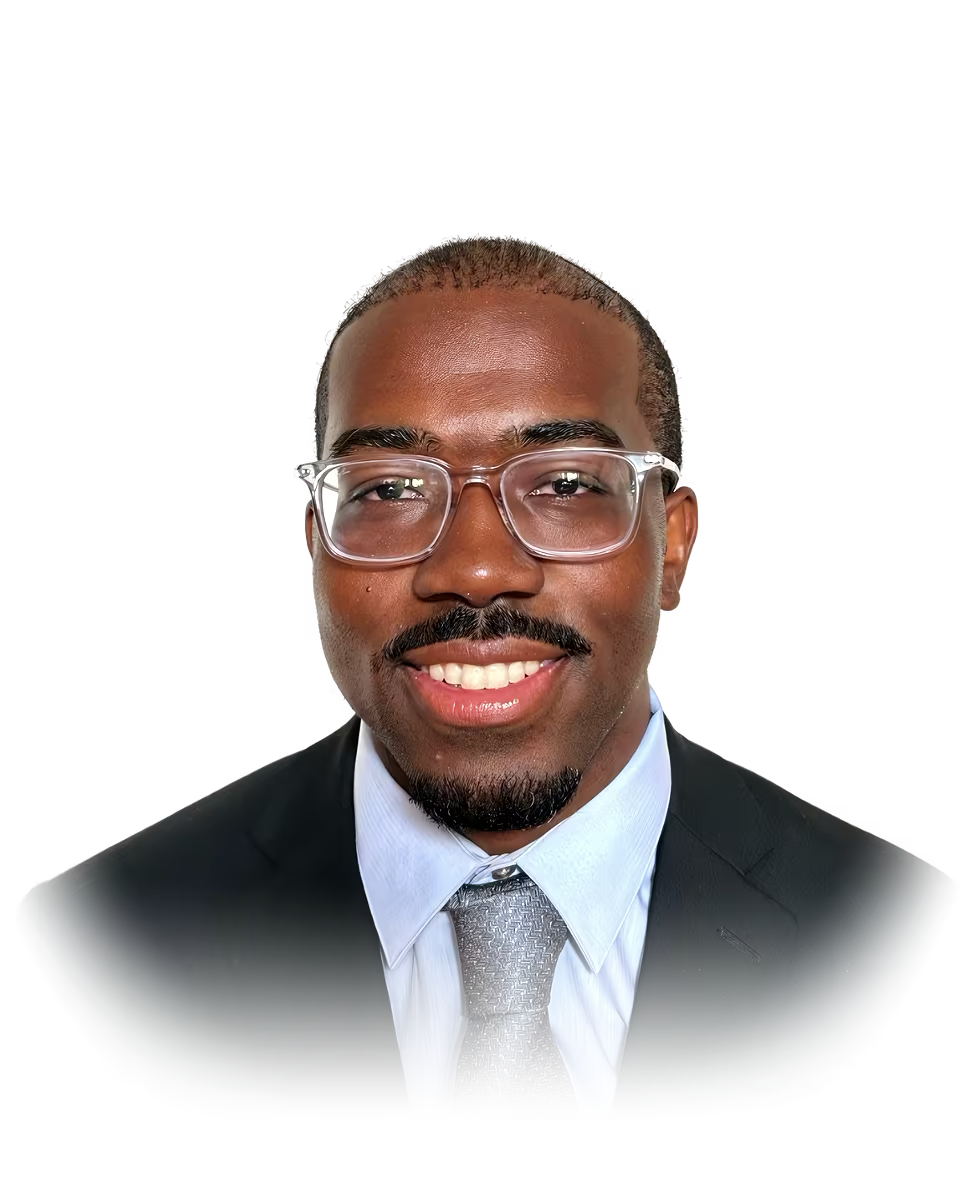
Where Ronnie started
3 years at Accenture in data and business analytics, then the tech layoffs hit. Ronnie was not a beginner. He had the title, the firm, and the experience. What he did not have was a job, and the market did not care about his resume.
Job searching became the job. LinkedIn every morning, roughly 200 applications a week, plus cold outreach to everyone in his network. The return was about 2 phone screens per 100 applications, and some weeks nothing at all. Zero final rounds. Zero offers.
“It honestly became a full time job at that point looking for a job.”
He assumed the market was the whole problem, until he started considering that his strategy might be the other half of it.
“What I’m doing clearly isn’t bringing in any success right now.”
What we did together
Paired him with a 1-on-1 mentor who built the plan around his actual constraint, which was cash and not curriculum. The goal was not to make him a better analyst. It was to get an offer fast.
- Repositioned the resume so 3 years of Accenture work read as outcomes rather than duties
- Restructured application volume into a daily system: 80 to 100 per day instead of 200 per week
- Rebuilt interview answers around specific lived experience and depth instead of textbook responses
- Upgraded the portfolio from projects that demonstrate tools to projects that answer complex business questions and lead with the recommendation
- Plugged him into the private community for peer accountability and unlisted job leads
The result
Weekly phone screens went from 1 or 2, sometimes zero, to 8 to 10. Of those, 3 to 4 per week reached final rounds, a stage he had not reached once before the program.
Application volume went up roughly 2.5 times, but the response rate also more than doubled, from about 0.75 percent to 1.8 percent. Both levers moved.
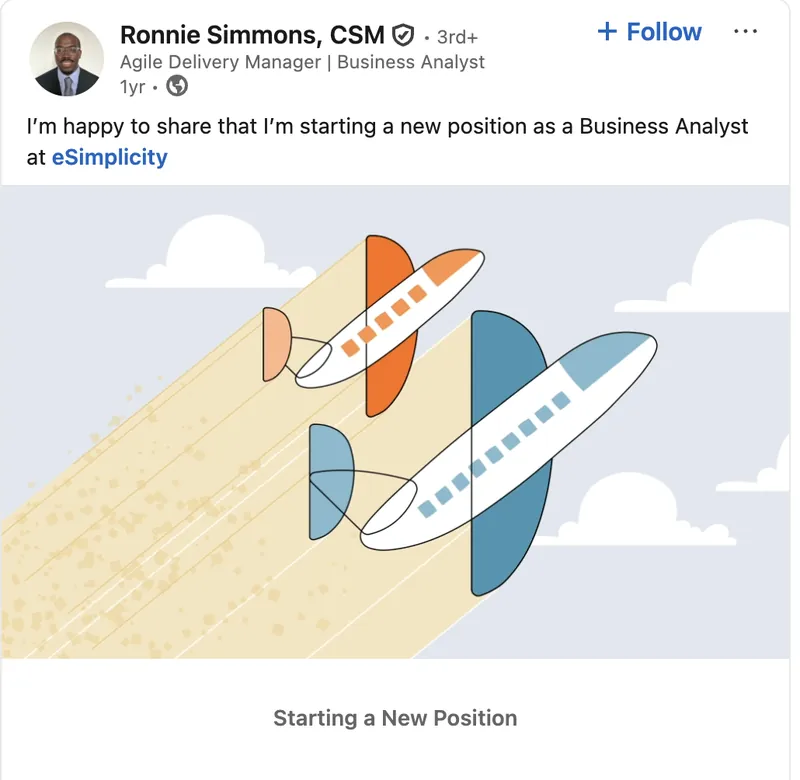
30 days after starting, he accepted a $90K fully remote offer from eSimplicity, before the program ended.
The change he flags as the real one:
“I kinda know the strategy that I have to take from end to end, from applying all the way to that final interview and offer.”
He did not just get a job. He stopped depending on luck to get the next one.
Individual results vary. Outcomes depend on effort, prior experience, and market conditions. Not all students secure offers.