
Where Will started
4 years and a degree from the University of South Florida, and the job search still looked like this: hundreds of applications, and every posting he opened showed 100 to 200 other applicants already in line.
The degree was not a differentiator. It was the baseline everyone else had cleared too. Looking back at 4 years of coursework, he could point to 3 or 4 classes that were technically useful. 1 or 2 on SQL. 1 on database design. The visualization work he had taught himself.
And no portfolio. Nothing to show anyone that he could do the work, only a transcript saying he had studied it.
He did not take Data In Motion on faith. He found it through YouTube, then messaged former and current students directly on LinkedIn and asked them what it was actually like. Roughly 75 percent answered.
What we did together
Started him at beginner Excel even though he already knew Excel, then moved him up through analysis and into advanced SQL. The point was the progression, not the starting point.
- Ran him through the milestone project sequence: a large dataset analyzed end to end in Excel, then a Tableau build. These became both his portfolio and, later, his interview answers
- Gave him blunt module by module feedback. He asked for maximum criticism and got it, down to specific notes on cluttered dashboards and what to change
- Weekly career development sessions covering job search strategy, not just skills
- Set him up with LinkedIn Premium so he could message people outside his network, then coached the outreach
- Interview prep that converted each milestone project into a story he could tell when asked to describe a time he had done something
The result
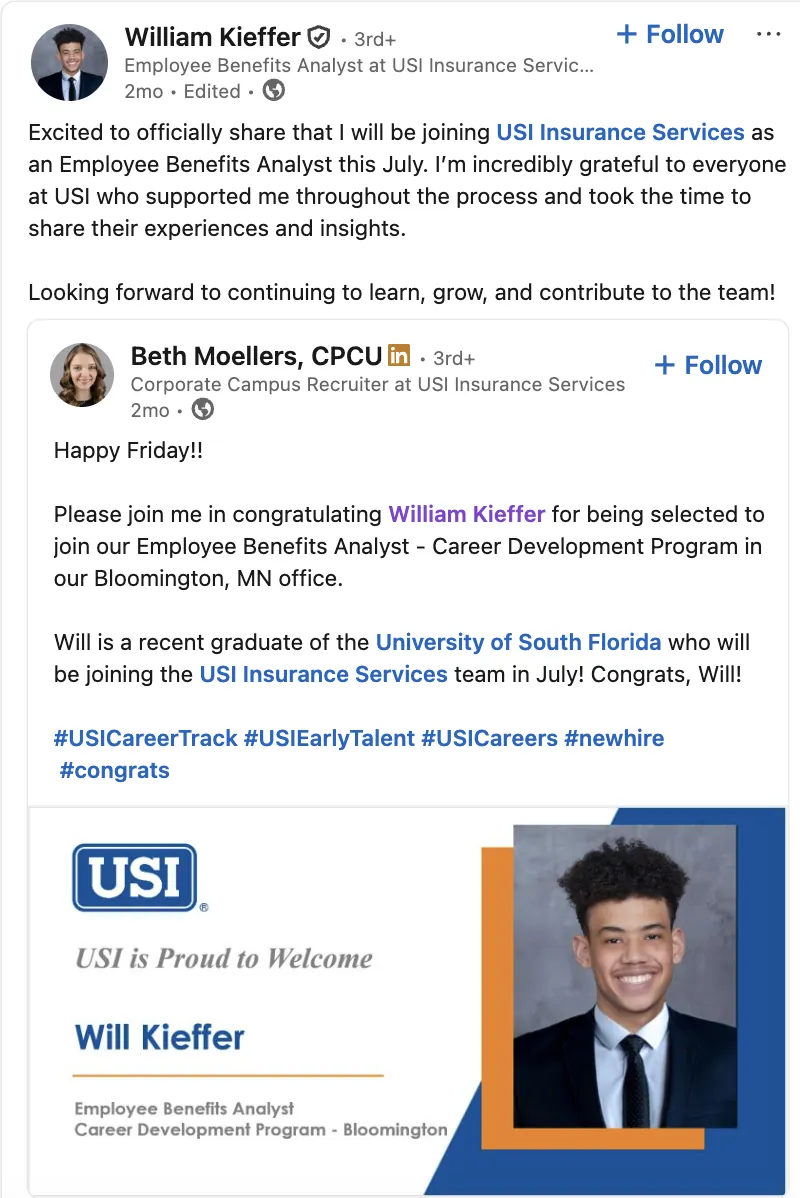
He used the Premium access to message someone who was not a connection. That message led to an interview. The interview led to the job he holds now.
The projects did double duty. When interviewers asked him to describe a time he had used Excel on a real problem, he had a specific answer with a dataset, a question, and a conclusion behind it. In his words: “I had more stories to tell.” He names the situational and technical questions as the ones he had always found hardest to answer, and those were the ones he walked in prepared for.
He is careful about the claim, and it is worth quoting him exactly:
“I can’t say if I didn’t take this program, would I have a job. I’m not sure. But I know for a fact that I don’t know if I would have got the job that I have now if I didn’t take this program.”
He starts the new role with a wedding and a move on the calendar.
Asked what he would tell someone still deciding, he did not pitch the program. He told them to go verify it: find the Data In Motion people on LinkedIn, message as many of them as possible, ask hard questions, and decide based on what comes back.
Individual results vary. Outcomes depend on effort, prior experience, and market conditions. Not all students secure offers.